Some links in this guide may be affiliate links. If you book through one, we may earn a commission at no extra cost to you. How that works
Hotel pool rules come from state and local codes, not the brand’s website. Here is what federal law requires, what health departments check, and what to ask before you pay.
For a lot of families, the pool decides the hotel. Before anyone packs a swimsuit, it helps to know which rules apply to that pool and which features you can verify from home. Federal law covers one specific hazard, drain entrapment. Nearly everything else, from fencing to water testing, is set by state and local codes that differ from place to place.
Why Hotel Pool Rules Depend on Where You Are, Not the Brand
A hotel pool is a public aquatic venue in the eyes of health regulators, whether it belongs to a budget motel or a resort chain. The CDC’s Model Aquatic Health Code (MAHC) is guidance, not federal law. It gathers the science on how public pools should be built, run and managed, from lifeguard training to chlorine testing, giving local agencies a reference when they write their own rules. Those rules still vary considerably across the United States.
The practical result: two properties flying the same brand name in neighboring states can face different fencing, signage and water testing requirements. When you evaluate a hotel pool, the code the property answers to matters more than the logo on the reservation page.
The Federal Drain Cover Rule and Entrapment Risks
One requirement is genuinely national. The Virginia Graeme Baker Pool and Spa Safety Act took effect in December 2008 and applies to public pools, a category that explicitly includes hotel and motel pools. It requires drain covers certified against suction entrapment, because a missing or broken cover lets the suction pin a swimmer to the bottom, causing drowning or near-drowning and severe evisceration injuries.
The Consumer Product Safety Commission (CPSC) tells families to confirm that any pool or spa they use has drain covers meeting federal safety standards, and to ask the pool operator if they do not know. The agency has also acted against covers that failed the standard, once warning consumers away from swim jet combination drain covers that lacked required product markings and service-life information.
On the deck, check the drains: intact covers, no cracks, no loose fittings. Teach children to stay away from drains, pipes and other openings entirely, which the CPSC lists among its core safety steps.
Lifeguards, Signage and the ‘Swim at Your Own Risk’ Problem
Whether a hotel pool must have a lifeguard depends on state and local code and on the facility. The MAHC covers how lifeguards are trained and certified, but it is adopted jurisdiction by jurisdiction. In practice, many hotel pools operate without one and post a sign saying guests swim at their own risk. Read that sign for what it is: a legal notice, not a supervision plan.
That puts the supervision job on your family. The CPSC advises designating an adult Water Watcher who watches the water continuously and does not read, text or use a phone. The agency suggests switching that duty every 15 minutes so the watcher stays fresh, and advises adults to stay within arm’s reach of young or inexperienced swimmers. Learning CPR is another standing recommendation, and many communities offer training online.
Travel tip
Assign the Water Watcher by name before you leave the room, and hand the job off out loud every 15 minutes. A job shared by everyone is a job no one is doing.
Fencing, Gates and Doors That Open Straight to the Pool
Barriers are the other layer the CPSC emphasizes, and they matter most for young children. Drowning is the leading cause of death for children ages 1 to 4 and the second leading cause of unintentional injury death for ages 5 to 14, according to the CDC. From 2020 to 2022, an average of 357 children under 15 drowned in pool or spa incidents each year, and children ages 1 to 3 accounted for 68 percent of those deaths.
The CPSC recommends layers of protection so an unsupervised child cannot reach the water: fencing, self-closing and self-latching gates and doors, door alarms and pool covers. At a hotel, walk the perimeter: is the pool enclosed, and do guest room or hallway doors open onto the deck and latch behind you? For toddlers, a ground-floor room opening onto the pool patio is a different proposition from a room on a higher floor. If you are weighing room types, our guide to connecting rooms versus a family suite covers how layout affects supervision; the same logic applies to distance from the water.
Hot Tubs: Temperature Limits and Why Kids Should Stay Out
Health codes treat spas as their own category, and for good reason. Warm water and heavy use strain disinfection, which is why the MAHC sets a higher minimum free chlorine level for spas than for pools. Temperature is regulated too, but the cap varies by code, so ask the property rather than assuming a number.
The supervision stakes are high. From 2022 to 2024, an average of 6,300 children under 15 were treated in emergency departments each year for nonfatal drowning injuries, 73 percent of them under five. A hot tub adds depth, heat and slippery edges. Keep toddlers out entirely, and treat the tub like open water for older children: an adult within arm’s reach, time limits set in advance, no playing beneath the surface.
How Health Departments Inspect Hotel Pools
Local health departments inspect public pools and hot tubs, including ones at hotels, and closures are not rare. The CDC reports that roughly one in eight routine pool inspections and one in seven hot tub or spa inspections ends with the venue shut down on the spot over a violation serious enough to threaten public health. The risks go beyond drowning: pool chemical injuries send about 4,500 people to emergency departments each year, a third of them under 18, and more than 200 disease outbreaks were tied to swimming venues during 2015 to 2019, led by the chlorine-tolerant parasite Cryptosporidium.
The MAHC spells out what operators test: before opening, and every four hours during operation at venues with automated disinfectant feeders. Local codes may set different numbers, but these benchmarks show what a well-run pool measures:
| What the operator tests | MAHC benchmark |
|---|---|
| Free chlorine, pool without cyanuric acid | at least 1.0 ppm |
| Free chlorine, pool with cyanuric acid | at least 2.0 ppm |
| Free chlorine, spa | at least 3.0 ppm |
| pH | 7.0 to 7.8 |
| Cyanuric acid | below 300 ppm |
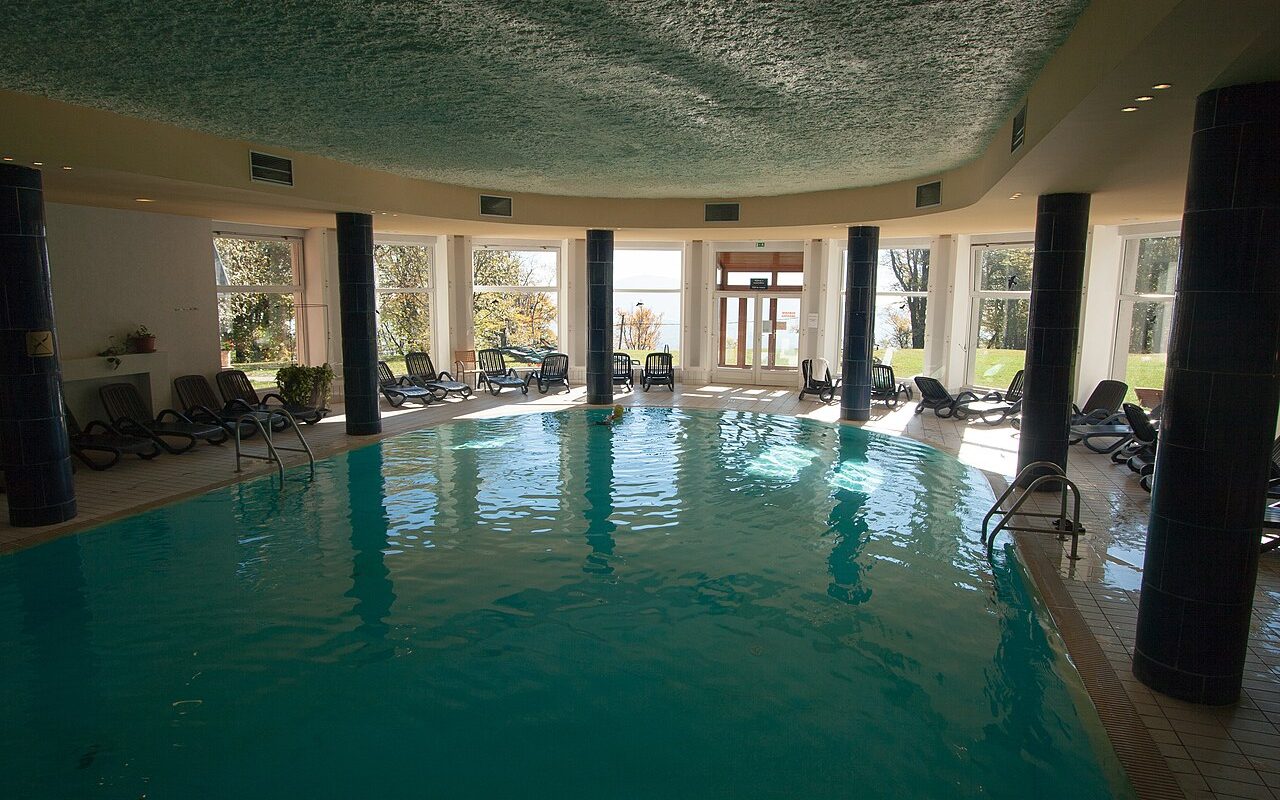
You cannot test the water at booking time, but you can look for signs of a pool that passes: clear water, an intact drain cover, visible depth markers and safety equipment, a posted inspection record where required, and staff who can answer basic questions. Cloudy water or a drain cover missing its markings are reasons to skip the swim and tell the front desk.
Questions to Ask Before You Book
Most hotels will not volunteer pool details, so ask directly:
- Are the pool and hot tub open on my dates?
- Is the pool fenced or enclosed, and do guest room doors open onto the deck?
- Are the drain covers certified under the federal standard?
- Is a lifeguard ever on duty, and who monitors the pool otherwise?
- What temperature is the hot tub, and what is the policy on children using it?
- Can you share the most recent health inspection result?
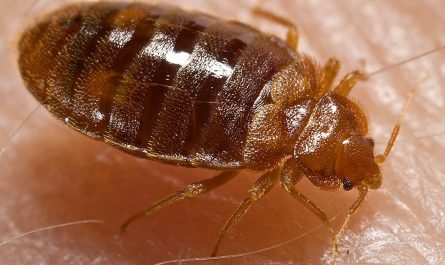
If the answers are vague, treat that as a finding in itself. Then plan the arrival routine: walk the pool area with the kids before anyone changes into a suit, point out the drains and the deep end, and set the Water Watcher schedule. Our guide to checking a hotel room for bedbugs takes a few minutes and pairs well with a pool walkthrough on check-in day. If anyone in your party needs an accessible room or route to the pool deck, ask at booking; our article on what the ADA requires in accessible hotel rooms lists questions that get specific answers. And if a swim or spa session does lead to an injury or illness on the road, our guide to getting sick abroad and what to do when walks through when to seek care.
Before you go
- Federal law requires certified drain covers at public pools, including hotel and motel pools, to prevent suction entrapment.
- Most other pool rules are state and local, so the same hotel brand can face different requirements in different states.
- The CDC reports that about one in eight routine pool inspections ends with the venue shut down for a serious health threat.
- Designate an adult Water Watcher with no phone in hand and rotate the job every 15 minutes when kids swim.
- Hot tubs are held to stricter standards than pools, including higher minimum chlorine levels; ask about temperature and child policy before booking.
Travelers also ask
Q: Does federal law require hotel pools to have lifeguards?
A: No single federal rule in the CDC’s Model Aquatic Health Code framework mandates a lifeguard at every hotel pool; lifeguard requirements depend on state and local codes and on the facility. Assume no guard is on duty and plan your own supervision.
Q: What is the Virginia Graeme Baker Pool and Spa Safety Act?
A: It is a federal law, in effect since December 2008, that requires drain covers at public pools and spas, including hotel pools, to be certified against suction entrapment. The CPSC’s Pool Safely campaign supports its public education provisions.
Q: How can I tell if a hotel pool’s drain covers are compliant?
A: Look for intact covers with visible product markings and ask the hotel directly whether the covers meet the federal standard. The CPSC has warned consumers away from covers that lacked required markings and service-life information.
Q: Are hotel hot tubs safe for young children?
A: Health codes treat spas separately from pools and require higher disinfectant levels because of the heat and bather load. Given that most nonfatal drowning emergency visits involve children under five, keep toddlers out and hold older children to close supervision.
Fees, processing times and agency rules change, and airline and hotel policies vary. This guide is general information for travelers in the U.S.; confirm the current rules with the agency, airline or hotel before you travel.