Some links in this guide may be affiliate links. If you book through one, we may earn a commission at no extra cost to you. How that works
Inspect the mattress seams and headboard before you unpack, keep luggage off the bed, and know what to ask the front desk if you find signs of bedbugs.
Bedbugs move the way travelers do. They hitch rides on luggage, folded clothes, bedding and furniture, and they hide in seams and crevices close to where people sleep. The cheapest protection is a short inspection the moment you walk into the room, a few luggage habits for the length of the stay, and a careful unpacking routine at home. None of it requires special tools, though a flashlight helps.
Why Five Minutes at Check-In Beats a Suitcase Infestation
The EPA advises travelers to inspect any room where they will be staying and notes that no extra tools are needed, though a flashlight is useful. The CDC adds that everyone is at risk when visiting an infested area, and that people who travel frequently and share sleeping spaces where others have slept face a higher risk.
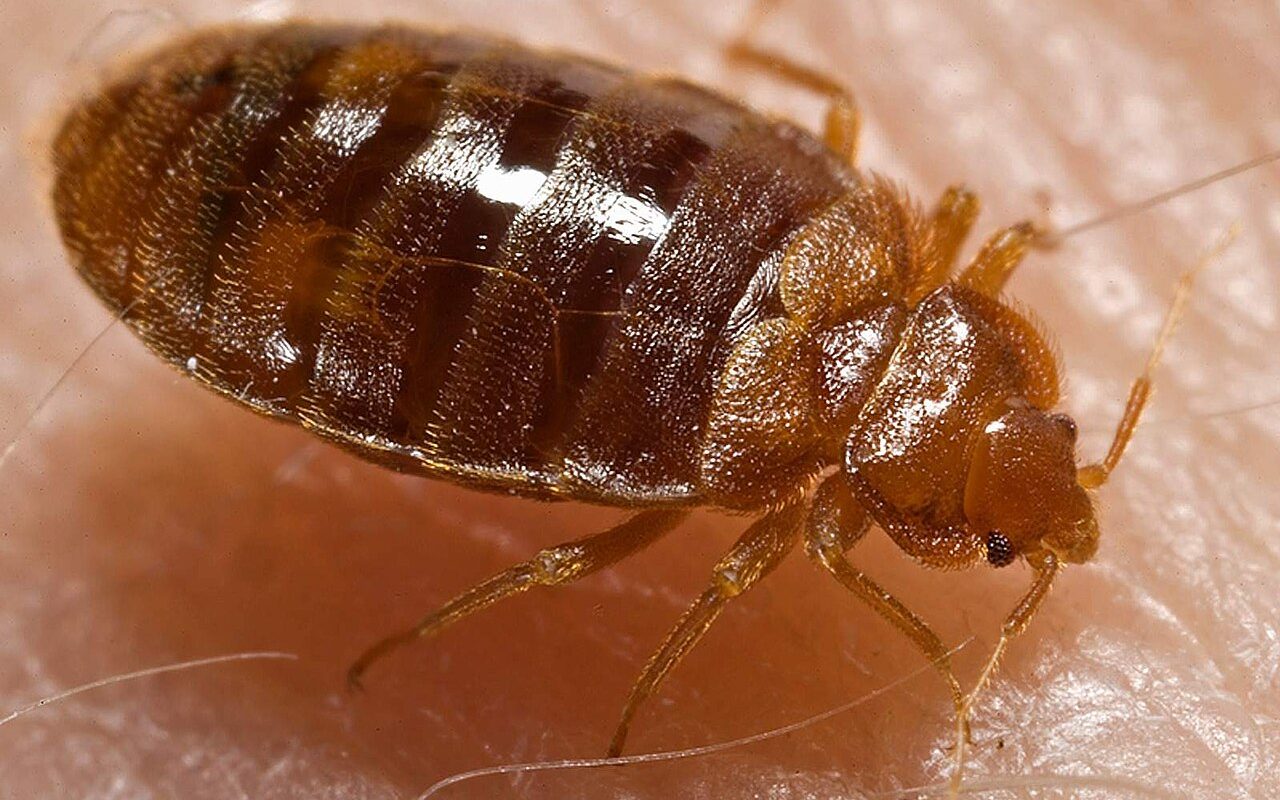
The stakes come down to proximity. Bedbugs usually stay within about 8 feet of the bed while they wait for a meal, and they will readily travel 5 to 20 feet from a hiding place to feed. A suitcase set on the bed or the floor sits inside that range all night. The adults are small, reddish-brown, wingless and flat, about the size of an apple seed or smaller, which is exactly what lets them slip into a zipper or a folded shirt.
Two facts make the inspection worth your time. Low-level infestations are hard to spot, and most people see signs of the bugs rather than the bugs themselves, so an early check can catch a problem before it is obvious. And while bedbugs do not spread disease, their bites itch and can cause inflammatory reactions, and early detection makes an infestation easier to control.
Room price and cleanliness tell you little. What matters is who slept in the room before you and what came in with their bags.
The Inspection Route: Mattress Seam to Headboard
Do the inspection before you unpack and before anyone sits on the bed. Work in this order:
- Park your bags on the luggage rack, away from the bed and any upholstered furniture. The rack exists for this reason; the EPA specifically advises using it instead of the bed or floor.
- Pull back the sheets and check the mattress surface for rusty or tarry spots. Adults and large nymphs void remains of earlier blood meals while still feeding about 20 percent of the time, which is why these stains end up on sheets.
- Examine the mattress seams, piping and tags. These are the first hiding places around the bed.
- Check the box spring, especially cracks along the frame.
- Move to the bed frame and headboard with the flashlight. Look at screw holes, joints and any gaps where the insects can tuck themselves away. A flat-edge tool can help open narrow crevices far enough to see inside.
If you find nothing, make the bed and get on with your trip. If you find any of the signs below, stop and do not unpack.
What Bedbugs and Their Signs Actually Look Like
The bugs themselves are the strongest evidence, but their leftovers are what you will usually see first. Here is what to look for:
| Sign | What it looks like |
|---|---|
| Live bedbugs | Reddish-brown, flat, wingless, up to about 7 mm long, apple seed sized or smaller |
| Dark spots | Excrement about the size of a period, which may bleed into fabric like a marker would |
| Rusty or tarry stains | Crushed bugs or voided blood meals on sheets and in hiding places |
| Eggs and eggshells | Tiny, about 1 mm, pale yellow, usually near seams and crevices |
| Shed skins | Pale yellow skins nymphs leave behind as they grow; they look like the bug itself |
Nymphs resemble smaller versions of adults, and a female lays about five eggs a day in sheltered spots such as mattress seams and box spring crevices. Rooms with heavy infestations may also carry a distinctive odor, which comes from stink glands the bugs possess.
Bites deserve a caveat. The EPA calls bites on the skin a poor indicator of an infestation. They resemble mosquito or flea bites, the marks can be scattered across the skin or lined up in a row, they can take one to several days to show and as long as 14 days in some people, and some people never react at all. Confirmation comes from finding bugs or nymphs in sheltered spots near where you slept, not from marks on your skin. Other insects, such as carpet beetles, are easily mistaken for bedbugs, which is one more reason to photograph whatever you find before you wipe it away.
Where They Hide Beyond the Bed
A heavy infestation spreads past the mattress. The EPA lists the seams of chairs and couches, the spaces between cushions and the folds of curtains as places you may find bugs in a heavily infested room. Harvard Health adds bedside tables, dressers and their drawer joints, baseboards, furniture crevices and even electrical outlets, because the insects’ slim, flat bodies fit into very small spaces.
They also move farther than most guests expect. Bedbugs can travel over 100 feet in a night, even though they usually settle close to where guests sleep, no more than about 8 feet from the bed. That is why a suitcase left on an upholstered chair, or clothes draped near the curtains, can pick up bugs in a room where the bed itself looks clean.
If your pet or service animal sleeps in the room with you, apply the same logic to its bedding and carrier and keep them off the hotel bed. Our guide to traveling with service animals and pets covers how hotels handle animals.
What to Do if You Find Them: Front Desk, Reassignment and Refunds
Finding a live bug or a cluster of the signs above is a reporting problem first and a money problem second.
Document before you touch anything else. Photograph the bug or the stains where they are, note the room number and, if you can, collect a specimen in a sealed plastic bag. Hotels will want evidence before they act.
Then report to the front desk and ask for a room in a different part of the building, not the one next door. The bugs travel 5 to 20 feet to feed, so a neighboring room may sit within range. Repack your belongings into sealed bags and run the same inspection on the new room before you settle in.
Refunds depend on the hotel’s own policies and on the terms you agreed to when booking, so ask directly what the property will do: waive the night, move you at the same rate or refund the stay. It helps to understand how hotel card holds work before that conversation, since the amount frozen on your card at check-in is separate from what you are finally billed; our guide to hotel card holds and deposits explains the mechanics. If the hotel refuses to make things right after you have paid for a room you could not use, our guide to disputing a credit card charge while you’re still traveling walks through the options.
Heads up
Resist the urge to spray the room yourself. The CDC reports that from January 2006 to December 2010, 169 calls to the National Pesticide Information Center involved pesticides misapplied indoors against bedbugs, and 129 of those cases caused mild or serious health effects, including one death. Outdoor pesticides should never be used indoors under any circumstances.
Protecting Your Luggage During and After the Stay
Luggage discipline lasts the whole stay, not just the first five minutes. Keep bags on the rack and away from the bed, and skip the habit of draping clothes over the headboard or an upholstered chair. The CDC notes that the bugs ride along inside the seams and folds of suitcases, overnight bags, folded clothes and bedding, and that most people transporting them never realize it.
If your hotel has a shared laundry room, transport items to be washed in plastic bags, pull them from the dryer straight into a fresh bag and fold them at home. A dryer on high heat kills bedbugs. Washing alone generally does not, so plan to launder everything through a hot dryer cycle when you get home before putting it away.
At Home: Unpack, Launder and Watch
When you return, unpack directly into the washing machine and inspect your luggage carefully before you store it, as the EPA advises. Vacuum the suitcases, and vacuum frequently in general, since vacuuming removes hitchhikers that made it home. A light-colored encasement on your own mattress and box spring eliminates many hiding spots and makes any bug that does appear easier to spot; buy one that resists tearing and check it regularly for holes.
Then watch for early signs. Bite marks on the face, neck, arms or hands after sleeping are often what people notice first, appearing one to several days after the bite and sometimes taking up to 14 days. Rusty-colored blood spots on your own sheets, shed skins or tiny pale yellow eggs near the seams are more reliable clues. Treat bites with antiseptic creams or lotions, avoid scratching to prevent secondary infection, and consider an antihistamine for itchy reactions; the CDC notes bites usually do not require medical treatment.
If you find evidence at home, leave the chemicals to a professional. The EPA has registered more than 300 products for use against bedbugs, most available to consumers, and it evaluates safety and effectiveness before approval. If you use a product anyway, read the label first to confirm it carries an EPA registration number and is meant for indoor bedbug treatment, and follow the directions exactly. Correct identification matters as much as treatment: misidentifying the bug gives an infestation more time to spread, and carpet beetles are commonly confused with bedbugs. A pest management professional can confirm what you are dealing with and treat it properly.
Before you go
- Inspect the mattress seams, piping, tags, box spring, bed frame and headboard with a flashlight before you unpack or sleep.
- Look for dark spots about the size of a period, rusty stains, pale yellow 1 mm eggs and shed skins; bites alone are a poor indicator.
- Keep luggage on the rack away from the bed; bedbugs usually stay within about 8 feet of the bed and can move more than 100 feet in a night.
- A dryer on high heat kills bedbugs, but washing alone generally does not, so unpack directly into the washer when you get home.
- Never use outdoor pesticides indoors; of 169 misapplication calls reported from 2006 to 2010, 129 caused mild or serious health effects.
Travelers also ask
Q: Do bedbug bites mean I was bitten in that hotel room?
A: Not necessarily. Bites resemble mosquito or flea bites, may take one to several days or up to 14 days to appear, and some people never react at all. Physical signs near the bed are better evidence.
Q: Does washing clothes kill bedbugs?
A: Washing alone generally does not. Time in a dryer at high temperatures kills them, so dry your clothes on high heat after a trip.
Q: Where should I put my suitcase in a hotel room?
A: On the luggage rack, away from the bed and upholstered furniture. Bedbugs generally stay within about 8 feet of the bed and can travel 5 to 20 feet to reach a host.
Q: What should I do if I find a bedbug in my room?
A: Photograph it, note the room number and report it to the front desk. Ask for a room in a different part of the building and reinspect the new room before unpacking.
Fees, processing times and agency rules change, and airline and hotel policies vary. This guide is general information for travelers in the U.S.; confirm the current rules with the agency, airline or hotel before you travel.