Some links in this guide may be affiliate links. If you book through one, we may earn a commission at no extra cost to you. How that works
Overnight trains sell two very different products. Here is what a coach fare and a roomette each include, what the price gap looks like on real routes, and how to choose.
An overnight train sells two very different products under one roof: a reclining seat in a shared car and a private room that converts into beds. The gap between the fares can run to several hundred dollars, so it helps to know exactly what the money buys before you book. Here is what each option includes and what the upgrade costs.
What a Coach Seat Includes, and What It Doesn’t
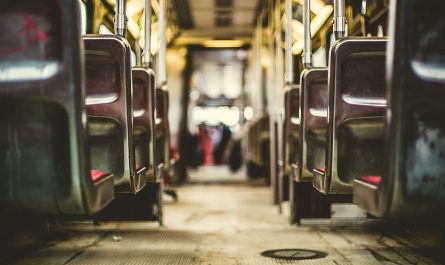
A coach fare entitles each paying passenger to one seat, to the extent coach seats are available. Amtrak reserves the right to transfer passengers between cars or trains when operating conditions require, and a seat is not guaranteed until the reservation is confirmed. The seats recline and include a footrest, and one published comparison found them roomier than what most airlines or long-distance buses offer.
What the fare leaves out matters most after dark. Meals come from the cafe car, which serves coach and sleeping car passengers alike, but every item there is for sale. Restrooms are shared, there is no shower, and you sleep upright in a lit, occupied car. Where seat selection is offered, changing your seat costs nothing, but a seat is still all you get.
What a Roomette Includes
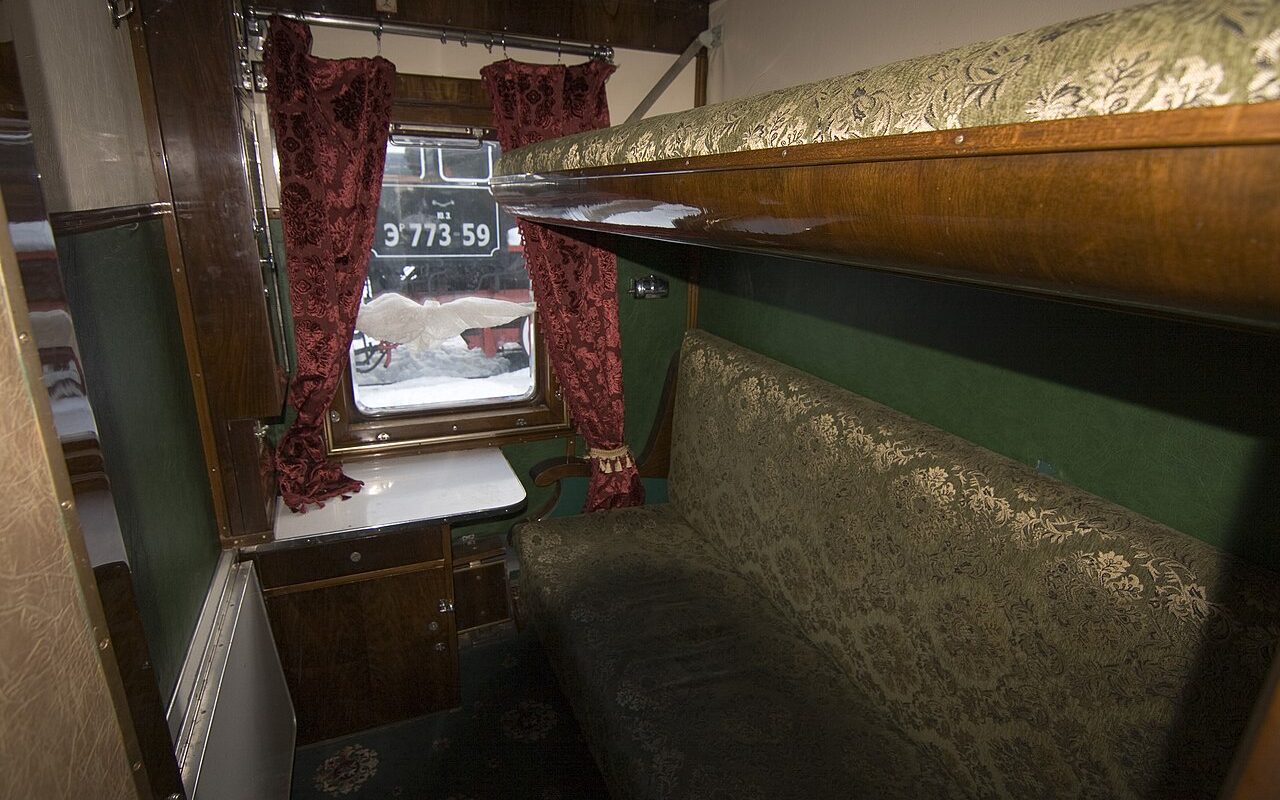
A roomette is First Class. By day it holds two seats, a fold-down table and outlets beside a picture window; at night the seats convert into upper and lower beds. Amtrak lists the dimensions at 3’6” by 6’6”, with room for two adults. Restrooms and showers are shared with the rest of the sleeping car.
The extras are where the fare compounds. Every private room booking includes:
- All onboard meals. Traditional-dining routes such as the Auto Train, California Zephyr, Empire Builder, Coast Starlight and Southwest Chief serve breakfast, lunch and dinner in the dining car. Flexible-dining routes offer complimentary room service from the sleeping car attendant plus an onboard lounge open around the clock.
- A dedicated First Class attendant who provides turndown service, assists with meals and helps with luggage.
- Lounge access at major stations, with refreshments and a dedicated agent.
- Priority boarding.
What the Upgrade Really Costs
Fares move with demand, route length and how far ahead you book, but a reported fare comparison on one Florida route shows the spread. A coach ticket ran $60, a roomette on the same trip ran $230, and a bedroom, which doubles the space and adds a private in-room shower, ran $363.
The roomette math improves for two people, because one room price covers both occupants. Split $230 between two adults and the cost lands at about twice the coach fare per person, this time with flat beds and included meals. Upgrades from coach to sleeping accommodations can be requested on the website, in the app, at a staffed station or by phone, when space allows.
Coach and Roomette, Side by Side
| Feature | Coach | Roomette |
|---|---|---|
| Sleeping | Reclining seat with footrest | Upper and lower beds, bedding and linens included |
| Meals | Cafe car, all items for sale | All onboard meals included |
| Bathing | Shared restrooms, no shower | Shared restrooms and showers; Bedrooms add a private in-room bath |
| Station perks | None | Lounge access at major stations, priority boarding |
| Attendant | None | Dedicated First Class attendant |
| Reported fare example | $60 | $230 |
Coach suits solo travelers watching the budget, daytime segments and anyone who can sleep sitting up. A roomette suits couples splitting the fare, true overnight runs where arriving rested matters, and riders who want meals, showers and lounge access folded into the price.
Accessible Sleeping Rooms
Accessible Bedrooms sit on the entry level of the train, where there is room to maneuver a wheelchair. By day the room has sofa seating for two; overnight it converts into an upper and a lower berth. Each has its own sink and restroom, access to a private shower nearby in the same car, and a dedicated sleeping car attendant. Hotels follow their own accessibility standards, which our guide to accessible hotel rooms covers in detail.
On the Auto Train, wheelchair riders have three options: staying in the chair in coach, transferring to a partially reclining seat and stowing the chair, or booking a private accessible compartment.
Car type matters when you book, too. Superliner sleeping cars have two levels of private rooms, Viewliner cars have a single level, and which one you get depends on the route.
Fare Rules and When the Sleeper Pays Off
Changing a selected seat carries no fee, and upgrades are possible whenever space allows. Refunds and cancellation penalties are a different matter: they follow the fare terms you agreed to at booking, so read those terms before you pay. Rail fares work differently from the refund rules that apply to flights, which our airline refund rights guide explains. If your plans are uncertain, a flexible fare or travel insurance may cost less than a penalty; our travel insurance basics guide covers what those policies include.
The sleeper upgrade pays off most on genuine overnight runs. If you board in the evening and need to function the next morning, a flat bed, a shower and included meals turn a travel day into a usable one. Two adults traveling together get the best value, since one room price covers both. Families with two adults and two children ages 2 to 12 can ask about the Family Room, which runs the width of the car and converts into two upper and two lower beds.
Travel tip
Booking the Auto Train? It departs at 4:00 PM and arrives around 9:00 the next morning, a schedule that makes a private compartment far more appealing than a fare board suggests.
Coach remains the sensible pick for daytime segments and travelers who can sleep upright. The cafe car fills the gap on those trips, and the savings can go toward the next trip.
Before you go
- A coach fare buys one reclining seat with a footrest and access to the cafe car, where every item is for sale; no meals or showers are included.
- A roomette includes two seats that convert to upper and lower beds, all onboard meals, a dedicated attendant, lounge access at major stations and priority boarding.
- One reported fare comparison showed a $60 coach ticket against a $230 roomette and a $363 bedroom on a Florida route.
- Accessible Bedrooms sit on the entry level, fit a wheelchair and include an in-room sink and restroom, with a private shower nearby in the car.
- Refunds and cancellation penalties follow the fare terms at booking, so read them before paying rather than assuming rail fares match airfare rules.
Travelers also ask
Q: How many people fit in an Amtrak roomette?
A: Roomettes are designed for two adults, with two seats by day that convert into upper and lower beds at night. Amtrak lists the room at 3’6" by 6’6".
Q: Do roomette passengers pay for meals onboard?
A: No. All onboard meals are included for private room occupants, either in the dining car on traditional-dining routes or through complimentary room service and a sleeper lounge on flexible-dining routes.
Q: Can I upgrade from coach to a roomette after booking?
A: Yes, when sleeping accommodations are available. Upgrades can be arranged on the Amtrak website or app, at a staffed station or by phone.
Q: What is the difference between a roomette and a bedroom?
A: A bedroom offers twice the space of a roomette, a sofa and separate chair by day, room for a third passenger on request, and a private in-room sink, toilet and shower instead of shared facilities.
Fees, processing times and agency rules change, and airline and hotel policies vary. This guide is general information for travelers in the U.S.; confirm the current rules with the agency, airline or hotel before you travel.